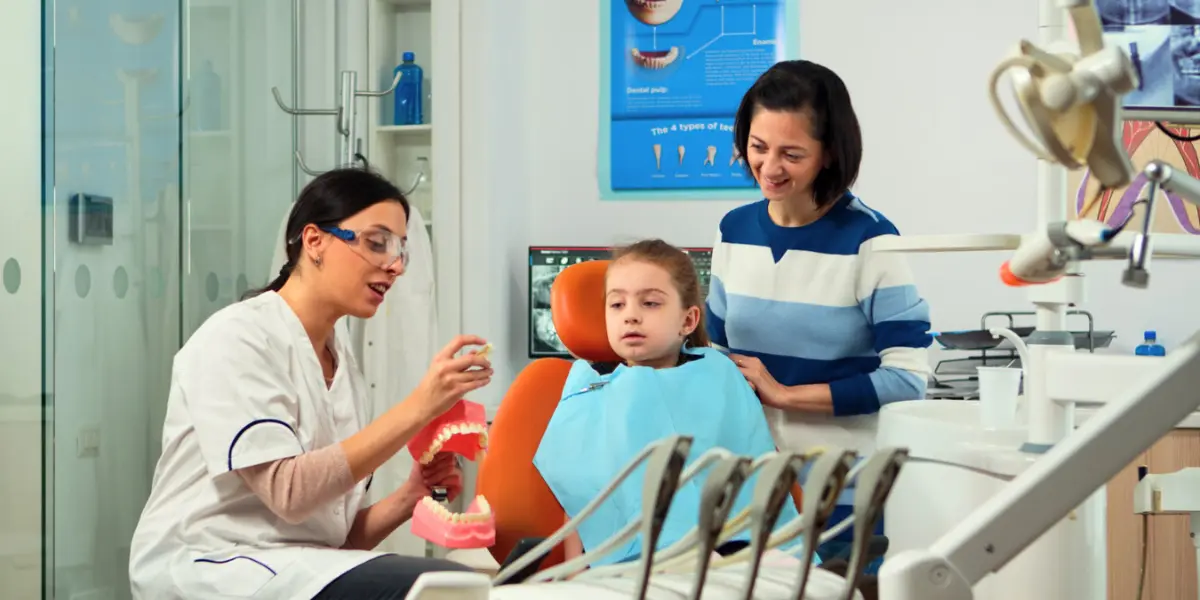
Every parent hopes that their children will be happy and healthy throughout their lives. By teaching the right habits regarding oral hygiene during childhood, children can learn habits that will lead to maintaining healthy smiles throughout their lives. Understanding how to take care of their children's teeth and gums is important for parents in avoiding …

Every parent hopes that their children will be happy and healthy throughout their lives. By teaching the right habits regarding oral hygiene during childhood, children can learn habits that will lead to maintaining healthy smiles throughout their lives. Understanding how to take care of their children’s teeth and gums is important for parents in avoiding the risks of cavities and gum disease, as well as helping to avoid many other oral health concerns.
At ToothWorks Dental Clinic, pediatric dentistry promotes preventing dental issues and educating parents on the best habits to teach their children from an early age regarding dental care.
Why Early Dental Care Matters
Dental hygiene doesn’t only involve shining, white pearly teeths. The mouth impacts your child’s health, speech, nutrition, and overall self-esteem. Studies show that if children maintain good oral hygiene, they are less likely to experience tooth decay and gum problems as they age.
Poor oral hygiene in childhood can lead to:
- Tooth decay and cavities
- Mispositioning/aligning of teeth
- Inflammation/infection of the gums
- Pain encountered while eating/speaking
- Anxiety about going to the dentist.
Parents can work to eliminate many of these issues (and help children feel good about their smiles) by reinforcing good oral hygiene practices from the start.
Start Oral Care Early: Even Before the First Tooth
Most parents believe that dental care starts with their child’s first tooth; however, starting before any teeth have developed can benefit your child’s future oral health and prevent problems down the road.
- Clean the gums: Use a soft, damp cloth to wipe your baby’s gums after each feeding to help remove bacteria and prepare the gums for the eruption of teeth.
- Avoid bottles at bedtime: Leaving milk or juice in your baby’s mouth overnight can cause early childhood tooth decay, also known as “bottle caries.”
- Schedule the first dental visit: The first dental visit allows Dentists for kids to educate parents on good oral hygiene practices starting on day one.
Essential Habits Parents Should Build
1. Brushing Twice a Day
- Once your child’s first tooth comes in, you should start brushing their teeth.
- Make sure to use a soft, age-appropriate toothbrush and a small amount of children’s toothpaste with fluoride.
- Children should develop the habit of brushing all surfaces of their teeth for at least 2 minutes.
Tip: Make brushing teeth fun! Use colorful toothbrushes or brush along with a song that your child loves.
2. Flossing Daily
- Flossing will help remove food particles that get stuck between teeth, which cannot be reached by just brushing alone.
- Start flossing when your child’s two teeth are touching.
- Make it a habit to floss before bedtime for better cavity prevention.
3. Healthy Eating Habits
Diet plays a significant role in dental health. Encourage children to:
- Limit sugar snacks and drinking soda & sweetened beverages.
- Eat a variety of fresh fruits & vegetables.
- Drink water instead of soft drinks or sugar-added drinks.
Sugary foods feed the bacteria that cause cavities in your mouth, which leads to decay and also bad breath. Having a balanced diet helps to strengthen teeth and gums.
4. Avoid Harmful Oral Habits
Some habits can be damaging to children’s tooth development:
- Sucking their thumb past the age of 3
- Biting their nails
- Chewing on hard objects like pencils
- Sleeping with their mouth open
Parents should try to encourage their children to stop these habits so that they do not develop problems with their teeth being straight or having a correct bite.
5. Regular Dental Check-Ups
- Every 6 months, bring your child to see the dentist.
- Most dental issues, such as decay, enamel defects, and gingivitis/periodontitis, can be identified early so that they don’t lead to serious long-term problems.
Tip: Let your child meet the dentist before undergoing any treatment. This will make it easier for them to develop a sense of trust with the dentist so that they will feel less anxious when they go for dental care.
6. Fluoride and Sealants
- Fluoride strengthens tooth enamel and helps to protect children from getting cavities.
- Your dentist may recommend fluoride toothpaste or treatments based on your child’s age and dental condition.
- Dental sealants are used on molars to protect against cavities in children.
Signs That Your Child Needs Immediate Dental Attention
Parents should be aware of early warning signs, including:
- It hurts to eat something sweet or hard.
- Gums are swollen or bleed when brushing
- Brown or black spots on teeth
- Difficulty chewing or eating
- You have really bad breath even after brushing or using mouthwash
As soon as you notice one of these symptoms, you should make an appointment to the best Pediatric Dentistry in Mumbai. Early treatment will help you avoid future pain, save time, and reduce costs.
Conclusion
Creating good dental habits for your child at a young age is one of the greatest gifts you can give your child. Your child will feel confident throughout their life with good dental care habits, including brushing, flossing, having a good diet, and going regularly to see their dentist.
ToothWorks Dental Clinic in Mumbai offers pediatric dentistry that is tailored to each individual child and their developmental stage of life. ToothWorks’ help provides preventive care and guidance on how to develop healthy teeth while providing gentle dental care for children from infancy to adulthood. Provide a solid foundation for a long-term, healthy, cavity-free smile, by starting early and establishing a routine.
FAQs
1. How can I avoid having tooth decay in my child?
Tooth decay can be prevented through regular oral hygiene practices of brushing and flossing, reducing the child’s consumption of sweetened foods/beverages, and taking the child to see their dentist on a regular basis
2. How often should my child visit the dentist?
After their first dental visit, children routinely need to see a dentist every six months for continued monitoring (growth), cavity prevention, and maintenance of oral health.
3. At what age should children start brushing their own teeth?
Children can start brushing their own teeth at approximately 3 years of age but will require parent or guardian assistance until 7-8 years of age to ensure they are using proper technique and cleaning thoroughly.

Toothworks
Dr Shruti is the Head Dentist and Boss at ToothWorks Dental Clinic in Mahim. She specialises in replacing missing teeth, total oral rehabilitation, bite & jaw issues and cosmetic dentistry.