Dental implants have become one of the most reliable and long-lasting solutions for missing teeth. Whether you’re getting Dental Implants for a single Tooth or opting for Full Mouth Dental Implants, it is essential to know what the recovery experience looks like. Understanding what to expect post Dental Implants Treatment not only eases anxiety but …

Dental implants have become one of the most reliable and long-lasting solutions for missing teeth. Whether you’re getting Dental Implants for a single Tooth or opting for Full Mouth Dental Implants, it is essential to know what the recovery experience looks like. Understanding what to expect post Dental Implants Treatment not only eases anxiety but also helps you prepare for smooth healing and excellent long-term results.
A Complete Guide – Post Dental Implants Procedure and Recovery.
1. Immediate Feelings Post Dental Implants Placement
Right after the procedure, it’s normal to experience:
- Mild discomfort
- Slight swelling
- Tenderness in the gums
- Minimal bleeding
These symptoms usually reduce within 24–48 hours. The dentist will provide instructions and medication to help manage any immediate discomfort.
2. Swelling and Bruising Are Normal
Swelling around the cheeks and gums is common after dental implant procedures. This may peak within 48 hours and then gradually reduce over the next few days.
Tips to manage swelling:
- Use a cold compress on the cheek for short intervals
- Keep your head elevated while resting
- Avoid touching the implant area
- Bruising may appear in some cases but fades naturally within a week.
3. Mild Discomfort Is Expected
You may feel slight pain, pressure, or tenderness near the implant site. This is completely normal and typically manageable with dentist-prescribed medication.
Most patients report that the discomfort is far less than they expected—especially when treated by experienced specialists offering the Best Dental Implants in Mumbai.
4. Diet Will Be Soft for a Few Days
Your gums need time to heal, so your dentist will recommend a soft-food diet such as:
- Soups
- Smoothies
- Curd
- Mashed vegetables
- Soft rice
- Khichdi
Avoid hard, crunchy, spicy, or extremely hot foods until approved by your dentist. This protects the implant area from strain.
5. Oral Hygiene Needs Extra Care
Maintaining cleanliness is crucial to prevent infection and support healing.
For the first few days:
- Brush gently around the surgical area
- Use a soft-bristle toothbrush
- Avoid harsh mouthwashes
- Rinse with warm salt water if recommended
- A clean mouth helps the implant integrate smoothly with your jawbone.
6. Osseointegration Takes Time
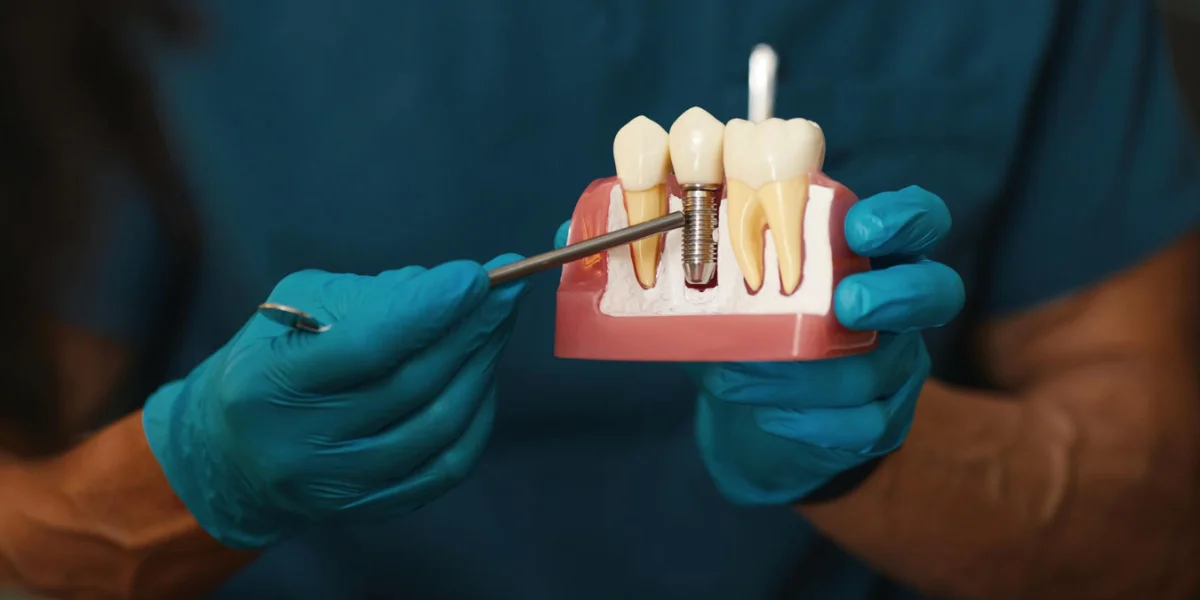
One of the most important stages of healing is osseointegration—when the implant fuses naturally with the jawbone. This process can take several weeks to a few months, depending on:
- Bone density
- Number of implants placed
- Complexity of treatment
This step is what makes Dental Implants for Teeth so strong and durable. While healing happens internally, you usually feel normal within a few days.
7. Activity Needs to Be Limited Initially
Right after your Dental Implants Treatment, avoid:
- Heavy exercise
- Bending
- Lifting weights
- Intense physical activity
Physical strain may increase bleeding or discomfort. Light movement and walking are fine, but strenuous activity should wait a couple of days.
8. Minor Bleeding Can Occur
A little bleeding or pink saliva within the first 24 hours is normal. However, if it continues or increases, contact your dentist immediately.
9. Avoid Smoking and Alcohol
Both smoking and alcohol slow down healing and increase the risk of implant failure. Avoid them for as long as possible—especially during the initial osseointegration period.
10. Follow-Up Appointments For Post Dental Implants
Regular checkups help your dentist monitor healing and ensure the implants are integrating properly. This is especially important when undergoing Dental Implants treatment that involve multiple implants or complex restoration work.
When to Contact Your Dentist
Reach out to your dentist if you experience:
- Severe or increasing pain
- Persistent bleeding
- Swelling that doesn’t reduce after a few days
- Fever or signs of infection
- Loose implant or movement
- Prompt attention keeps healing on track.
Long-Term Care Includes:
- Brushing twice daily
- Using floss or interdental brushes
- Visiting your dentist every six months
- Wearing a nightguard if you grind your teeth
Final Thoughts
Getting dental implants is one of the most effective and advanced ways to restore missing teeth. Understanding the healing process helps you prepare mentally and physically, making your recovery smoother and more comfortable.
Whether you’re considering Full Mouth Dental Implants or replacing a single missing tooth, choosing the right experts for your treatment makes a world of difference. For those seeking Dental Implants in Mumbai, ToothWorks Dental Clinic has experienced dentists who ensure safe treatment, expert follow-up, and long-lasting results.
With proper care—and the right dental team—you’ll enjoy a strong, healthy, confident smile for years to come.