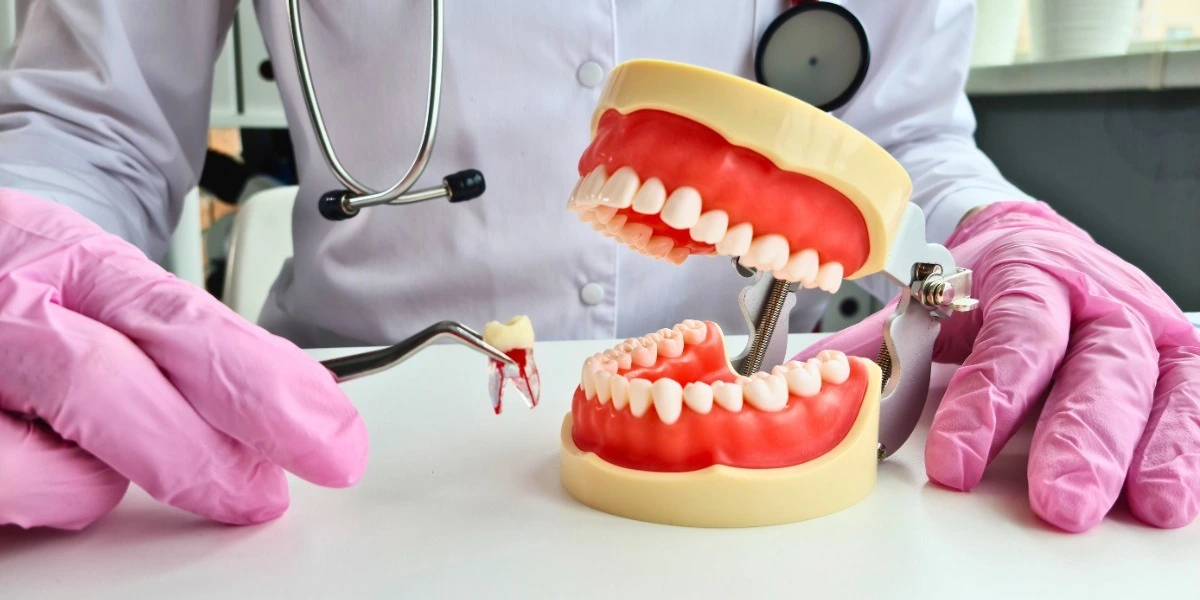
Many people think full mouth reconstruction treatment is mainly about improving appearance. But if you have reached a stage where chewing feels difficult, some teeth are missing, old crowns keep breaking, or your bite feels uneven, the treatment becomes much more about function than looks. If you are considering treatment at a mouth rehabilitation clinic …

Many people think full mouth reconstruction treatment is mainly about improving appearance. But if you have reached a stage where chewing feels difficult, some teeth are missing, old crowns keep breaking, or your bite feels uneven, the treatment becomes much more about function than looks. If you are considering treatment at a mouth rehabilitation clinic in Mahim, here are six things that are worth understanding before you start.
1. The Real Problem May Not Be Missing Teeth
You may look at your mouth and think the missing teeth are the main issue. In many cases, they are only part of the problem. Years of chewing on one side, worn enamel, shifting teeth, gum problems, and bite changes often happen together. This is why total oral rehabilitation usually begins with a detailed examination rather than immediately replacing missing teeth. A complete assessment helps identify all the issues affecting your chewing function and oral health. If only one problem is treated while the others are ignored, the final result may not last very long.
2. Your Bite Matters More Than You Think
Many patients focus on individual teeth. A dentist often focuses on how all your teeth come together. If your bite is not balanced, you may continue putting excessive pressure on certain teeth, crowns, bridges, or implants. One of the major goals of full mouth reconstruction treatment is to create a bite that functions properly during eating and speaking. Bite correction is often part of total oral rehabilitation when misaligned bites contribute to tooth wear or jaw discomfort.
3. Treatment Usually Happens in Stages
You may expect everything to be completed in a few appointments. That is not always realistic. If you have gum disease, damaged teeth, missing teeth, or jaw issues, different stages may be required before final restorations are placed. Some patients complete treatment within a few months. Others may go through a phased approach over a longer period depending on the complexity of their condition.
4. Dental Implants May Be Only One Part of the Plan
A lot of people assume rehabilitation means getting implants. Dental implants can be an important part of total oral rehabilitation, especially when multiple teeth are missing. However, your treatment plan may also include gum therapy, crowns, bite correction, restorations, or other procedures. The exact combination depends on your oral condition rather than a standard package.
5. Gum Health Can Affect the Final Result
This is something many patients overlook. Even the best-looking restorations can face problems if the gums are unhealthy. Before rebuilding teeth, your dentist may recommend scaling, root planing, or periodontal treatment. Healthy gums provide the foundation needed for successful rehabilitation. Skipping this step often creates problems later.
6. Every Rehabilitation Plan Is Different
There is no fixed cost, fixed timeline, or fixed treatment plan. Two people may both need full mouth reconstruction treatment but require completely different procedures. At ToothWorks, treatment planning is based on detailed examinations, digital imaging, radiographs, photographs, and a customised approach designed around your specific concerns.
When Should You Consider Total Oral Rehabilitation?
You may benefit from total oral rehabilitation if you have
- Multiple missing teeth
- Severely worn teeth
- Difficulty chewing food
- Bite problems
- Long-term gum disease
- Pain while chewing
- Significant dental damage affecting daily life
Right Clinic Matters More Than Choosing the Cheapest Option
Full mouth rehabilitation involves different areas of dentistry working together. That is why experience, planning, and technology matter.
Before starting treatment, you should undergo a detailed oral health evaluation with an experienced dentist in Mahim. At ToothWorks, your dentist checks your teeth, gums, bite, and jaw with a clinical examination, digital scans, and photographs. This helps find all the problems, not just the one that’s bothering you the most. Based on what is found, a treatment plan is made to improve how you chew, how comfortable your bite feels, and your long-term oral health.
FAQs
1. Who needs Total Oral Rehabilitation?
You may need total oral rehabilitation if you have multiple missing teeth, worn enamel, bite issues, gum disease, or difficulty chewing food.
2. Is Full Mouth Reconstruction Treatment painful?
Modern dentistry uses local anaesthesia and pain management techniques to make treatment comfortable for most patients.
3. How long does Full Mouth Reconstruction Treatment take?
The timeline depends on the complexity of your case. Some treatments finish within months, while others require phased treatment over a longer period.
4. Are dental implants necessary for every rehabilitation case?
No. Dental implants are often used for missing teeth, but your treatment may also include crowns, gum therapy, restorations, or bite correction.
5. How to maintain results after Total Oral Rehabilitation?
Regular dental visits, good oral hygiene, and following your dentist’s maintenance recommendations help preserve long-term results.

Toothworks
Dr Shruti is the Head Dentist and Boss at ToothWorks Dental Clinic in Mahim. She specialises in replacing missing teeth, total oral rehabilitation, bite & jaw issues and cosmetic dentistry.